

When I first started learning SEO, I didn’t realize keyword research was such a huge part of it. I honestly thought SEO was just writing content, adding images, and hoping Google noticed it. But after going through the lessons and actually practicing keyword research myself, I realized this step controls everything. It decides what topics you target, how competitive your content will be, and whether your website even has a chance to show up in search results. Once that clicked, SEO stopped feeling random and started feeling more like a strategy.
I didn’t expect keyword research to matter this much, but it really is the foundation.

Keyword Research Is About Understanding People
The first thing I learned is that keyword research really isn’t about words — it’s about understanding people. Every keyword is a question, a need, or a curiosity coming from someone behind the screen. That sounds simple, but once I understood it, everything made more sense.
People search online with a purpose. This purpose is called search intent, and it plays a major role in SEO. I learned there are four types:
- Informational — people want to learn something
- Navigational — they want to reach a specific page or site
- Transactional — they’re ready to buy
- Commercial investigation — they’re comparing before buying
This helped me see why some pages rank better than others. Google doesn’t reward the “best-written” content — it rewards the content that matches what the user wants. If someone searches “how to do keyword research,” they probably want steps, examples, and explanations. If someone searches “best SEO tools,” they want comparisons and recommendations.
Understanding the intent behind keywords helped me avoid choosing words just because they had high search volume.
Using Tools Instead of Guessing
Before learning SEO, I assumed you could just guess a list of keywords and write content around them. Now I know that’s one of the biggest mistakes beginners make. Keyword research isn’t guessing at all — it’s analyzing real data.
Google Keyword Planner was the tool that helped everything click. It shows search volume, competition level, and CPC (cost-per-click). At first, the numbers felt confusing, but once I practiced, I started understanding what they meant:
- High search volume means lots of interest
- High competition means it’s harder to rank
- High CPC means businesses value that keyword
Learning how to read these numbers helped me choose more realistic keywords. I stopped picking keywords just because they sounded nice. Now I choose keywords based on whether people actually search for them and whether my website has a chance of ranking.
This alone made keyword research feel more logical instead of overwhelming.
Keyword Clusters Matter More Than One Keyword
Another big thing I learned is that you don’t build one page for one keyword. Google doesn’t work like that anymore. It looks at full topics, not single phrases. That’s why keyword clusters are so important.
A keyword cluster is a group of related keywords that all fall under the same topic. For example, if the main keyword is “best electric SUV,” related cluster keywords could be:
- “top electric SUVs”
- “electric SUV comparisons”
- “best electric SUV for families”
- “affordable electric SUVs”
- “long-range electric SUVs”
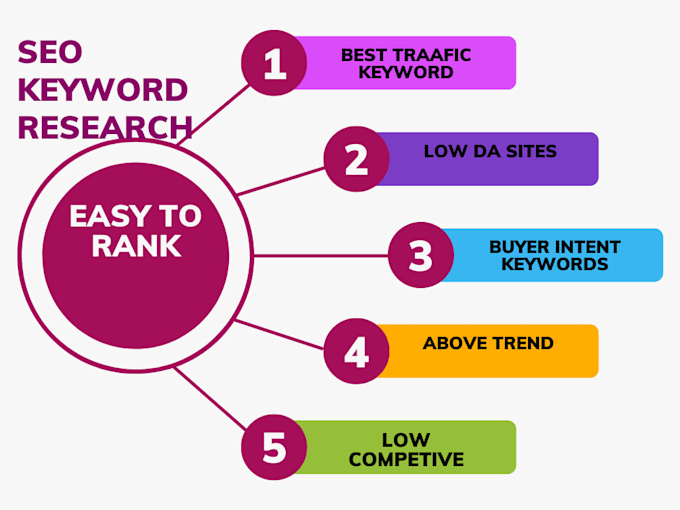
You don’t create a separate page for each of these. You create one strong page that covers the whole topic clearly. This helps Google understand your content better and increases your chance of ranking for multiple keywords, not just one.
One of the most helpful things I learned is how powerful long-tail keywords are. These are longer, more specific search phrases. Examples include:
- “how to learn SEO step by step”
- “best free keyword tools for beginners”
- “how to rank a new website fast”
Even though they get fewer searches, they’re easier to rank for and usually have clearer intent. Someone searching “SEO” might want anything. Someone searching “how to do SEO for beginners” knows exactly what they want.
Long-tail keywords are especially helpful for new websites because big companies already dominate the short keywords. Long-tail phrases let you show up faster and serve a more specific audience.
Keyword Research Controls the Whole SEO Strategy
The biggest thing I learned is that keyword research isn’t just a “first step.” It affects everything else:
- what content you create
- how your pages are structured
- which blog posts you write
- how competitive your website will be
- how realistic your ranking goals are
Once you know the keywords and intent, writing becomes easier because you know exactly what people are searching for. It also helps you avoid wasting time writing about topics nobody is interested in.
Keyword research took the confusion out of SEO for me. It gave me a clear direction instead of guessing or trying random strategies.